Colorado SB25-003: What the New Semiautomatic Firearms Law Means for Colorado Gun Owners
Colorado passed one of the most significant firearms laws in the state's history, and its central restriction applies on August 1, 2026, less than three weeks from now. Senate Bill 25-003, codified at C.R.S. 18-12-116, restricts the sale, transfer, and manufacture of a broad category of common semiautomatic firearms. If you own or plan to own a modern sporting rifle in Colorado, you need to understand what this law does and what it leaves alone.
Start with the most important fact: SB25-003 does not ban possession. There is no confiscation, no registration requirement, and no order to surrender or modify anything you already own. What changes is your ability to buy, sell, transfer, or manufacture certain firearms inside Colorado on or after the effective date.
This post walks through the covered firearms, the exemptions, the pathway that still lets qualified buyers purchase these guns, and the concrete steps worth taking before August 1.
What SB25-003 actually restricts
The law makes it unlawful to knowingly manufacture, distribute, transfer, sell, or purchase a "specified semiautomatic firearm" on or after August 1, 2026. Two transactions stay legal without any qualification: selling or transferring a covered firearm to a federally licensed dealer, or to an individual who resides in another state.
A specified semiautomatic firearm is any of the following:
- A semiautomatic rifle with a detachable magazine
- A semiautomatic shotgun with a detachable magazine
- A gas-operated semiautomatic handgun with a detachable magazine
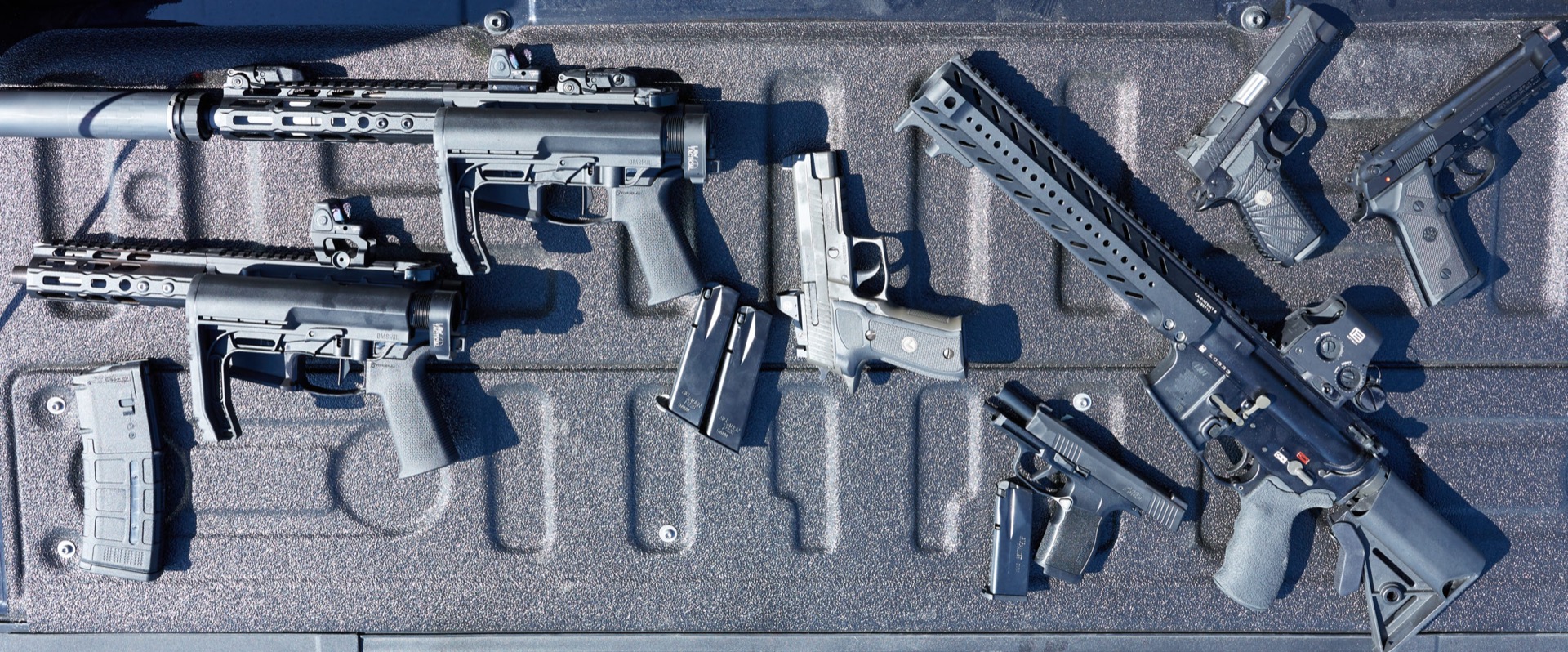
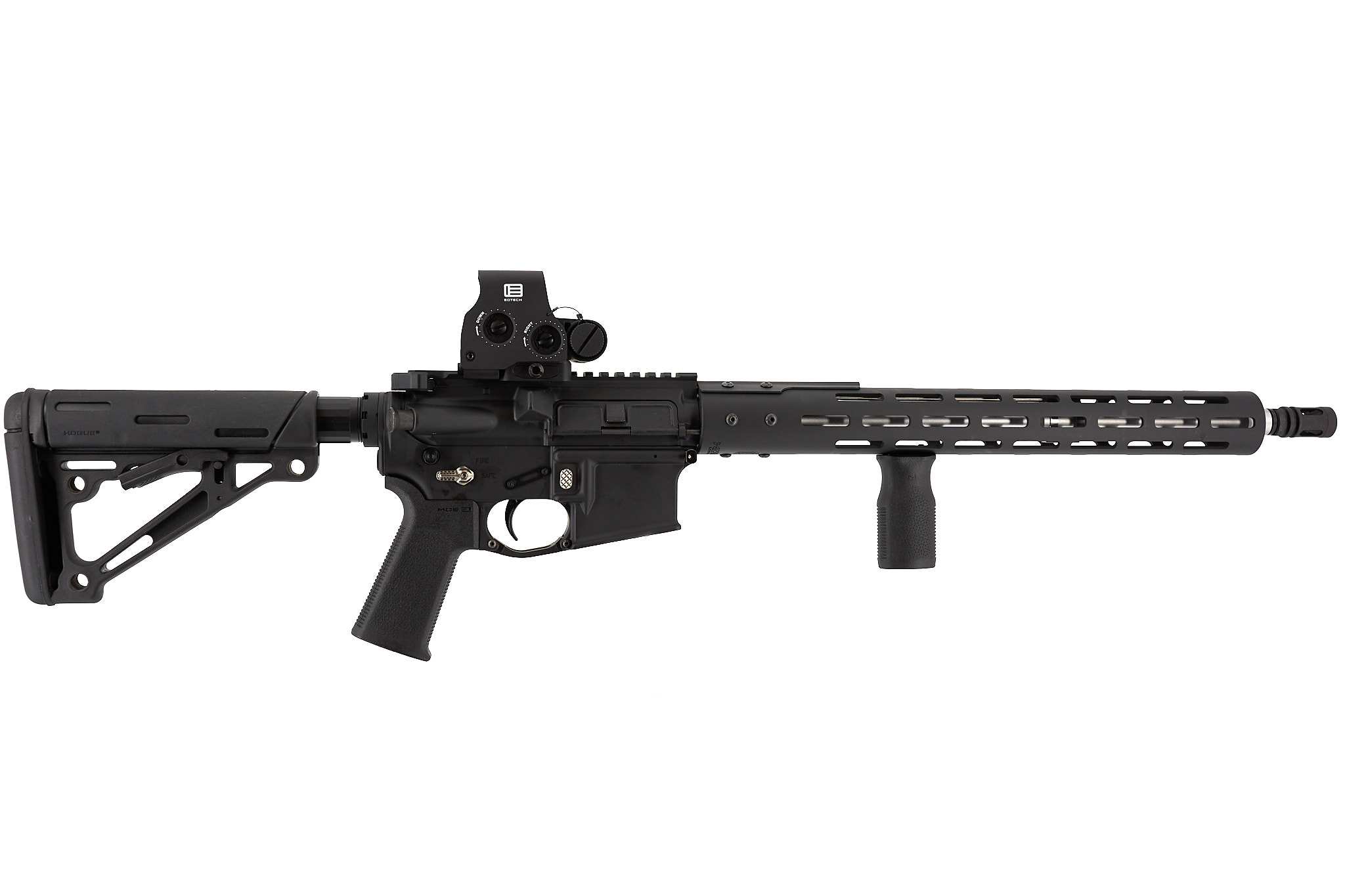
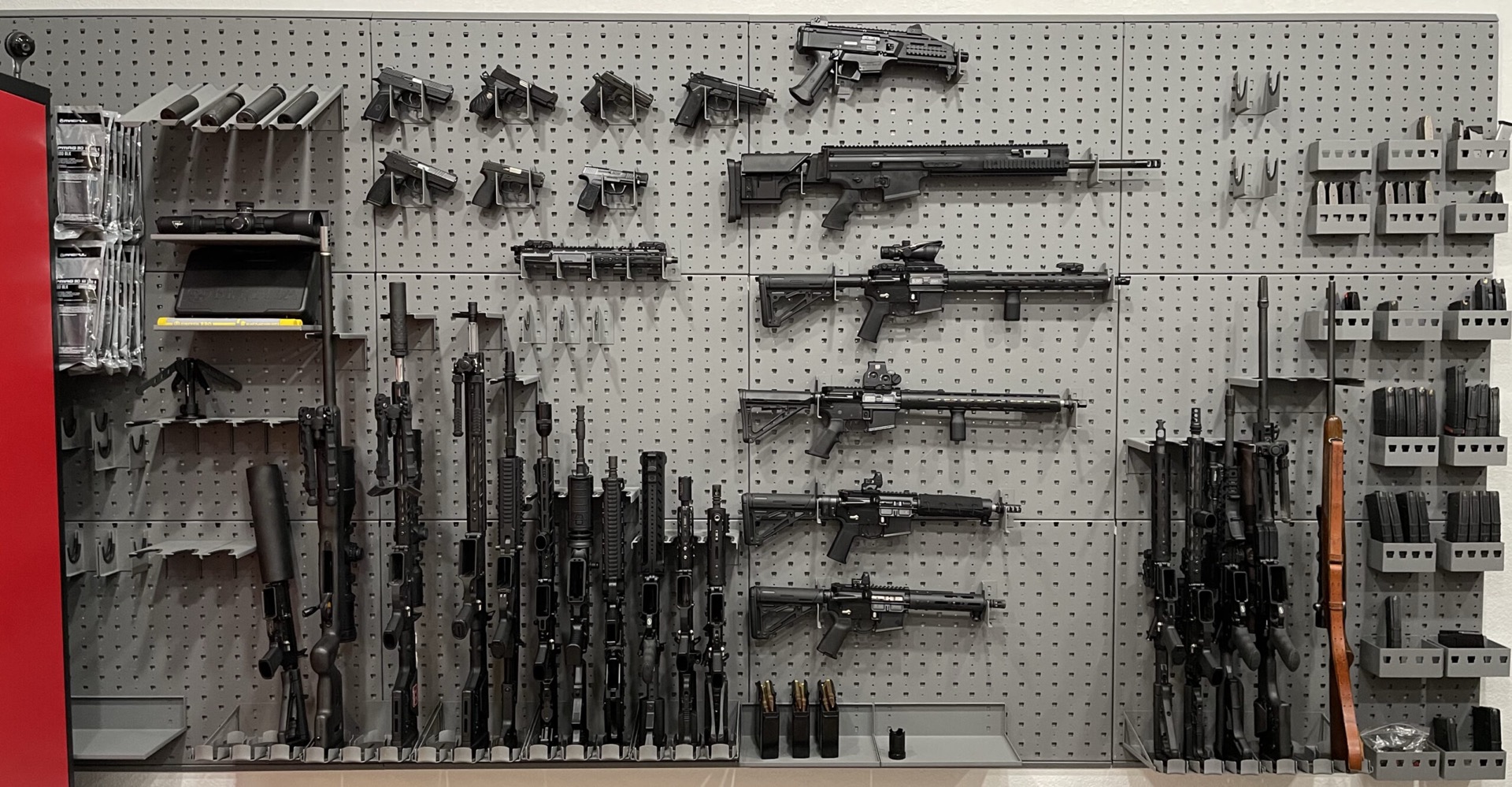
That first category captures the AR-15, the AK pattern, and most modern sporting rifles built around a detachable magazine. If a semiautomatic rifle takes a mag you can pop out and swap, it falls inside the definition. One detail in the fine print: an attached tubular magazine under the barrel does not count as detachable, which keeps many traditional semiauto shotguns and .22s clear of the definition on that ground alone.
The handgun question
The handgun language deserves a careful read, because the statute defines "gas-operated" more broadly than the term is used at the gun counter. The definition covers long-stroke piston, short-stroke piston, direct impingement, and hybrid systems, and it explicitly includes blowback operation as well.
The good news for most pistol owners: the law expressly exempts single- and double-action semiautomatic handguns that use recoil to cycle the action. That covers the bulk of the defensive pistol market, including Glocks, SIG P-series pistols, M&Ps, and 1911s, which run on short-recoil actions. But simple-blowback pistols, many .380 pocket guns and PCC-style large-format pistols among them, count as gas-operated under this statute and are covered. Do not assume a pistol is exempt just because nobody would call it gas-operated in conversation; check how it actually cycles.
What is exempt from the definition
The law carves several categories out of the "specified semiautomatic firearm" definition entirely:
- Rimfire .22 caliber or smaller, unless the firearm has a separate upper and lower receiver. A standard .22 plinker is fine; a .22 built on an AR-style split-receiver design is covered.
- Manually operated actions. Bolt, pump, lever, and slide actions are not semiautomatic and are not covered.
- Permanently fixed magazines of 15 rounds or fewer. This includes semiautos converted to a permanently fixed magazine that cannot accept more than 15 rounds.
- Recoil-operated handguns, as covered above.
- A named list of roughly thirty classic and hunting semiautos, exempt "as they exist and are configured" on the effective date. The list includes the M1 Carbine, Ruger Mini-14 Ranch Rifle and Mini Thirty, Springfield Armory M1A Standard Issue, Browning BAR Mk 3, Benelli R1, and several Remington and Winchester models.
- Antiques and curios or relics as defined in federal law, and firearms rendered permanently inoperable.
Because the state expects confusion at the counter, the Colorado Department of Revenue published official guidance listing specific covered models. The final version came out July 1, 2026, and the department will keep updating it. If you are unsure where a specific firearm lands, that list and a conversation with your dealer are the places to start.
The part people miss: you can still buy one
The headlines call this a ban, but for eligible buyers it works more like a qualification requirement. SB25-003 keeps purchases open to Colorado residents who complete a specific sequence. The order matters, and it is the opposite of what most people expect: you get the card first, then take the training, then buy.
Step 1: Get a Firearms Safety Course Eligibility Card from your county sheriff. You apply through the state's Firearms Safety System portal, run by Colorado Parks and Wildlife, which opens July 20, 2026. You then submit to your sheriff a government-issued photo ID, the results of a name-based background check performed by a third-party vendor, a county processing fee, and CPW's $52 record fee. The sheriff must deny the card to anyone who cannot legally possess a firearm or who cannot be positively identified, and may deny it based on documented behavior indicating the applicant is a danger to themselves or others. Denials can be challenged in court. The card is valid for five years.
Step 2: Complete training. You must hold a valid card before enrolling in a course. There are two courses, both in-person only, taught by sheriff-verified instructors, with a final exam requiring a score of 90 percent or better:
- If you have completed a CPW-certified hunter education course, you take a basic firearms safety course of at least 4 hours.
- Otherwise, you take an extended firearms safety course of at least 12 hours spread over at least two days. An extended course completed more than five years ago can be refreshed with the 4-hour basic course.
Course completion is valid for five years and is reported into the CPW record system, where a dealer can verify it electronically at the point of sale. Worth knowing: the statute states plainly that this record system is not a record of who purchases firearms or which firearms they purchase. It tracks training, not guns.
Step 3: Purchase. With a valid card and current training on file, you buy through the normal dealer process, background check included.
The practical takeaway: buying a covered firearm after August 1 is possible, but it is no longer a walk-in transaction. Between the card application, the background check, scheduling a multi-hour course, and county processing times, plan on the pathway taking weeks.
What is grandfathered
If you lawfully own a covered firearm before August 1, 2026, SB25-003 leaves it alone. The prohibition lists manufacture, distribution, transfer, sale, and purchase; possession is not on the list.
That means:
- No requirement to surrender the firearm
- No requirement to register it
- No requirement to modify it
One consequence of the transfer restriction is worth understanding, though. After August 1, your options for selling a covered firearm inside Colorado narrow: you can sell or transfer to a licensed dealer, to an out-of-state resident, or to a Colorado buyer who has completed the card-and-training pathway. Transfers by inheritance remain legal, as do transfers to a gunsmith for repair or to a dealer for storage.
The other provisions worth knowing
SB25-003 does more than restrict semiautomatic firearms. Two additional pieces are easy to overlook.
Large-capacity magazines. Colorado has prohibited the sale, transfer, and possession of magazines over 15 rounds since 2013, with an exception for magazines owned before July 1, 2013 and kept in continuous possession. SB25-003 did not change who is covered; it raised the penalty for the existing offense from a class 2 misdemeanor to a class 1 misdemeanor. The 2013 grandfathering is untouched.
Rapid-fire devices. The law defines "rapid-fire device" broadly, covering any part or combination of parts that increases a semiautomatic firearm's rate of fire above standard, and classifies these devices as dangerous weapons, the same category as machine guns and suppressors. Possessing a dangerous weapon is a class 5 felony. Unlike the firearm restrictions, this provision has been in effect since the bill was signed in April 2025.
Penalties
The penalties for the semiautomatic firearm offense escalate with repeat conduct:
- A first offense is a class 2 misdemeanor.
- A second or subsequent offense is a class 6 felony.
For dealers, a conviction means mandatory revocation of the state firearms dealer permit. A misdemeanor conviction also blocks firearm transfers to the offender for five years under Colorado's background check law, and a felony conviction strips firearm rights entirely.
Where things stand in July 2026
The rules are no longer in flux. Colorado Parks and Wildlife finalized the training program and approved the $52 record fee at its May 2026 commission meeting, and the Department of Revenue's final model guidance published July 1. The CPW application portal opens July 20, along with the state's list of verified instructors.
County readiness is another story. Sheriff processing fees vary widely, from zero in Weld County to $50 in Adams, $100 in Arapahoe, and $200 in Denver, and CPW itself has warned that some counties will not review applications until August 1 while others have not published a process at all.
A federal lawsuit challenging the law, Del Toro v. Polis, is pending in the District of Colorado, but no injunction has issued. Unless a court intervenes, August 1 stands.
Before August 1, 2026: a practical checklist
The effective date is a hard line, and it is close. Here is how to use the remaining time.
Take stock of what you already own. Anything you lawfully hold before August 1 is unaffected, so there is no reason to act out of fear of losing what you have.
If a covered firearm is on your list, decide now. Before August 1 it is a standard purchase: background check, no card, no course. After August 1 the same purchase requires the full card-and-training pathway. Buying before the deadline avoids that process entirely.
If you plan to buy after August 1 instead, start the card process the moment the portal opens on July 20. Between application backlogs, course scheduling, and counties that are not ready, early applicants will be buying while late ones are still waiting.
Businesses and manufacturers should get legal guidance. The law reaches manufacturing and includes exemptions for gunsmith work, dealer storage, out-of-state transfers, and law enforcement sales, but how those apply to a specific operation is a detailed legal question. Track the Department of Revenue's dealer guidance and consult qualified counsel rather than rely on a general summary.
The bottom line
SB25-003 is a major change to how Colorado residents buy and sell modern semiautomatic firearms, and the August 1, 2026 date is nearly here. But the law is narrower and more specific than the "ban" label suggests. Possession is untouched. A qualification pathway keeps purchases open to eligible buyers, provided they follow the card-first sequence. And a long list of firearms and transactions sit outside the covered definition entirely.
Know where your firearms fall, plan any purchase around the effective date, and if you intend to buy after August 1, start the eligibility process the day the portal opens.
Official resources
- SB25-003 bill page and signed act (Colorado General Assembly)
- CPW Firearms Safety Program (application portal, FAQ, verified instructors)
- Department of Revenue specified semiautomatic firearms guidance (covered-model list for dealers, final July 1, 2026)
This article is for general information only and is not legal advice. Confirm current requirements with Colorado Parks and Wildlife, your county sheriff, and qualified legal counsel before making decisions.