Suppressors and NFA Basics: How to Legally Buy a Can and What the Process Looks Like
Suppressors are one of the most misunderstood items in firearms. They are legal, widely owned, and good for your hearing, but buying one means working through the National Firearms Act (NFA). Here is the process in plain English.
What does a suppressor actually do?
A suppressor (also called a silencer or "can") threads onto a firearm's muzzle and slows and cools the escaping gases, reducing the sound of the shot by roughly 20–35 decibels. It does not make a firearm silent. It brings most rifle and pistol reports down toward hearing-safe levels, especially with subsonic ammunition. It also cuts felt recoil and muzzle flash, which makes you a more accurate, more controlled shooter.
Are suppressors legal to own?
Yes, in most of the United States. As of 2024 suppressors are legal for civilian ownership in 42 states, with a handful of states prohibiting them outright. They are federally legal to own once you complete the ATF registration. Always confirm your specific state's law before purchasing. We verify this with you before any sale.
What is the NFA, and how much is the tax stamp now?
The National Firearms Act of 1934 regulates suppressors, short-barreled rifles, and a few other categories. To take possession of a suppressor you must register it with the ATF. As of January 1, 2026, the federal transfer tax (the "tax stamp") for suppressors is $0, reduced from $200 under the 2025 federal tax law (the change also covers short-barreled rifles, short-barreled shotguns, and AOWs; machine guns and destructive devices still carry the $200 tax). The registration requirement itself has not changed, only the tax is gone.
How do you buy a suppressor, step by step?
- Choose your suppressor at a dealer (an FFL/SOT). The dealer holds it for you while your paperwork is processed.
- Decide how to register it: as an individual or through a gun trust (more on that below).
- File ATF Form 4, the transfer application, including fingerprints and a photo. The transfer tax is $0 as of January 1, 2026 (previously $200). Filing electronically through the ATF eForms system is typically much faster than paper.
- Wait for approval. The ATF runs a background check and approves the transfer.
- Take possession. Once your transfer is approved, you return to the dealer and pick up your suppressor.
How long does suppressor approval take?
Wait times have improved dramatically with eForms. Many electronic Form 4 approvals now come back in days to a few weeks, where paper filings historically took many months. Times vary with ATF workload, so treat any estimate as a moving target.
Should you use a gun trust?
A gun trust is a legal entity that owns the NFA item instead of an individual. The advantages: more than one person can legally possess and use the suppressor, and the item can pass to heirs without a new transfer and tax. Many buyers set up a trust before filing. Talk to us before you file, and for estate questions, consult an attorney.
What about suppressor-ready builds?
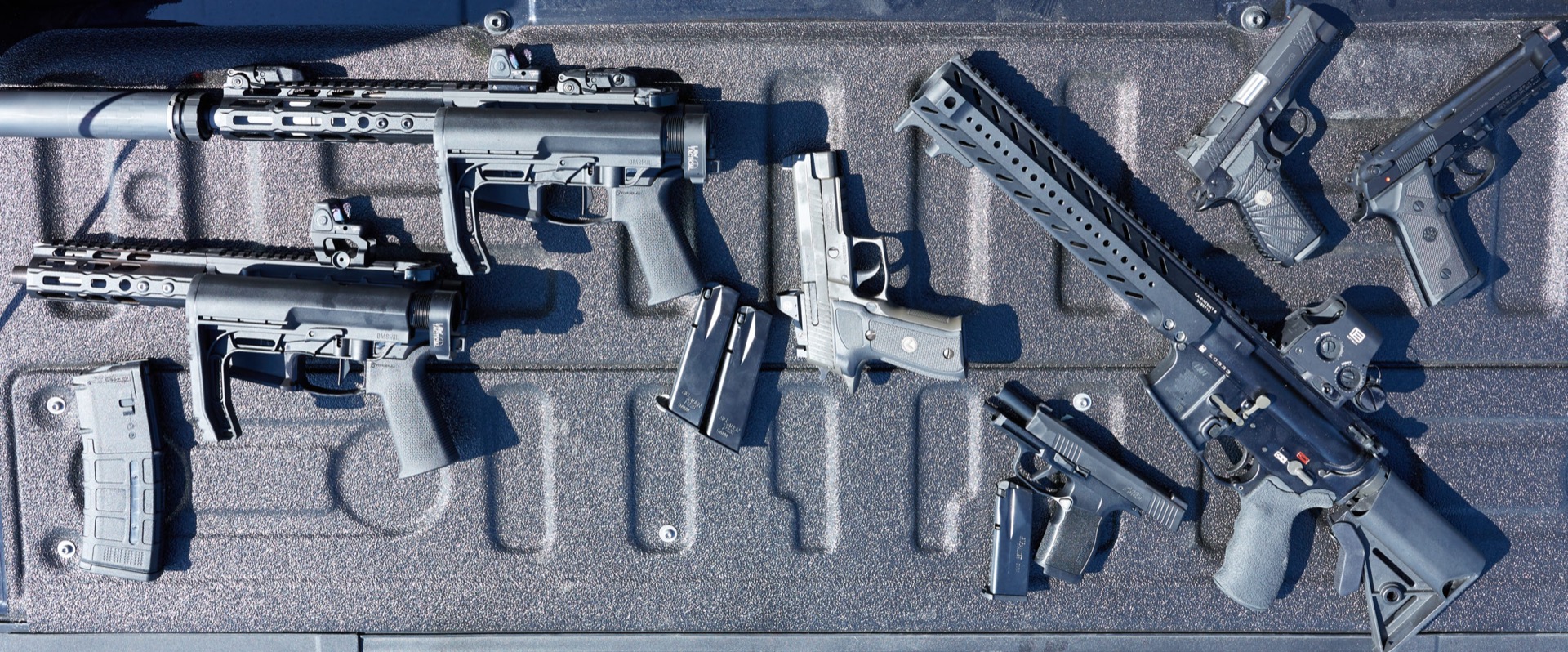
Owning a can is only useful if your firearm is set up to run it. A suppressor-ready build has correct muzzle threading, an adjustable gas system tuned for the added back-pressure, and components chosen so the weapon runs clean both suppressed and unsuppressed. At Horizon Arms Research we build suppressor-ready systems, sell the cans, and walk you through the entire NFA process from paperwork to pickup.